The Projects

Unveiling AI Bias
Unveiling AI Bias
The project analyzes biases in AI systems through two branches: computer vision and NLP. The computer vision branch examines biases in image recognition models using CNNs and explainable AI techniques like Grad-CAM and LIME. The NLP branch evaluates biases in LLMs using tools like word embeddings, the Large Language Model Bias Index, and BiasAsker, assessing biases and identifying stereotypes. The goal is to develop bias measurement tools and promote fairer AI systems.
Mapping Neuroplasticity
Mapping Neuroplasticity
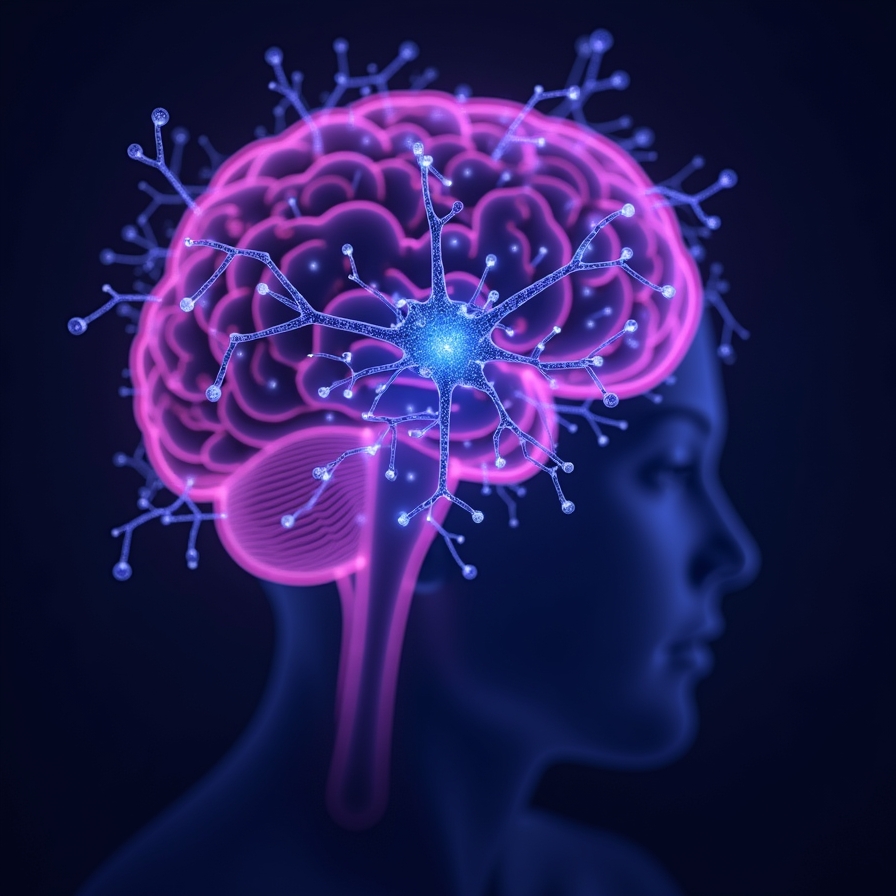
The project models neural plasticity using Python and Brian2 to simulate spiking neural networks. It explores synaptic plasticity mechanisms like Hebbian learning and STDP, analyzing how neural connections evolve and adapt. Applications include Brain-Computer Interfaces (BCIs), neuroprosthetics, memory enhancement, and sensory restoration. Members also worked on case studies concerning adaptive prosthetic control and brain mapping and memory.

Digitalization of Europe
Digitalization of Europe
The project quantifies economic, educational, and policy determinants of digitalization in Europe using DESI. It applies statistical analysis and regression modeling to assess GDP per capita’s correlation with digital adoption, evaluates education metrics (e.g., STEM graduates, public expenditure) through multivariate regression, and analyzes policy frameworks in two EU countries to model their impact on digital infrastructure and digital skills development.

Digital Twins in Surgical Planning
Digital Twins in Surgical Planning
Digital twins are virtual replicas of physical systems updated through real-time data exchange. In healthcare, they support surgical planning by enabling accurate anatomical simulations and personalized treatments. This project develops a simplified mathematical model of the human knee, integrating anatomical and biomechanical analysis, and reviews market trends in healthcare digital twin applications.
Brain Tumour Detection
Brain Tumour Detection
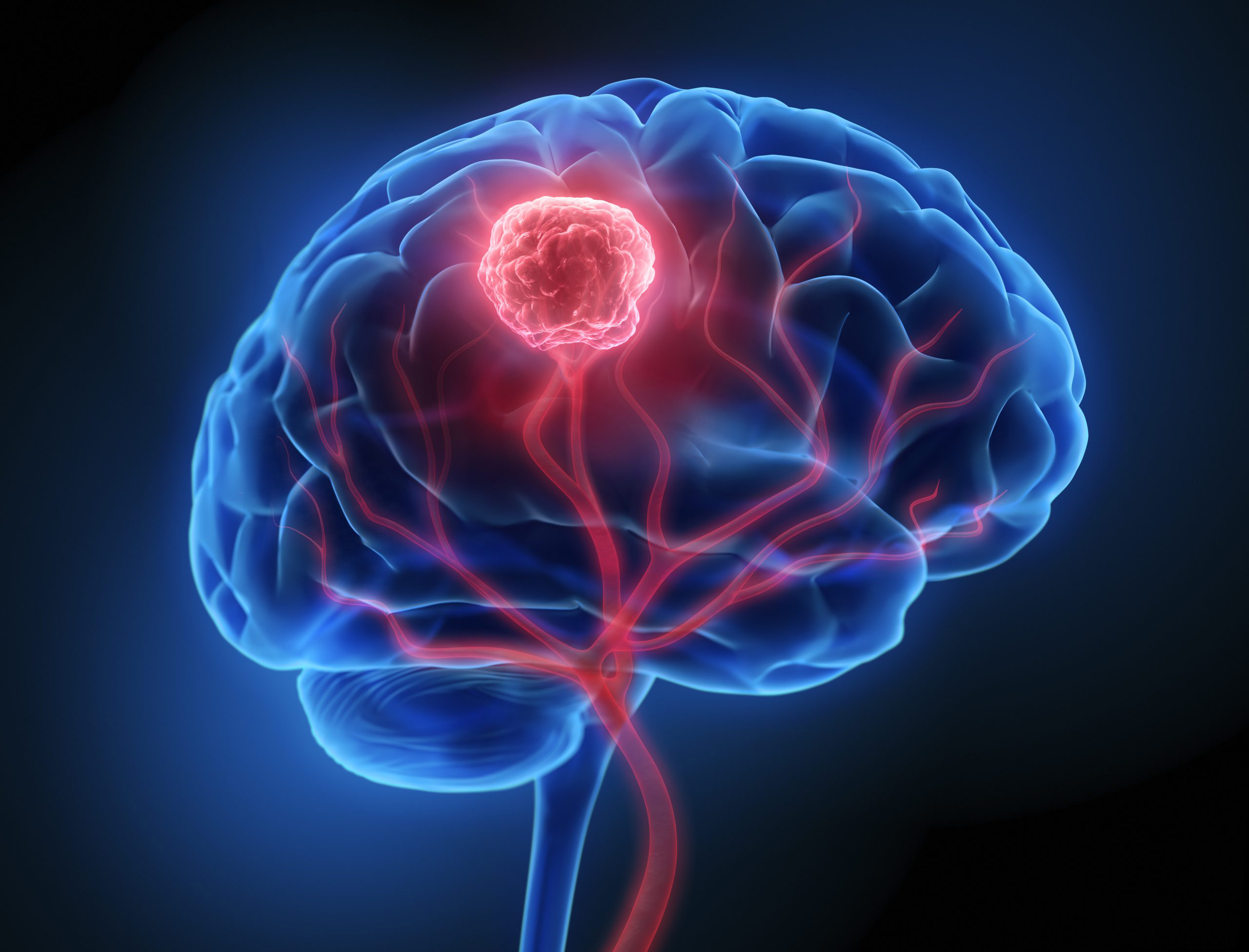
The project operates in the biomedical image analysis domain, focusing on brain tumor detection. The key research question is: How does hyperdimensional computing compare to standard computer vision techniques like Convolutional Neural Network (CNN) in terms of performance and efficiency for brain tumour detection? The data involves brain imaging modalities (e.g., MRI scans) that need to be processed and analyzed.